The First Emancipation Proclamation Was Issued During the American Revolution by the British
While the Patriots sought to maintain slavery, Britain, desperate for victory, offered enslaved Africans freedom during the American Revolution

As I was engulfed in the agony of starting a starting a new Instagram, after my previous one that had over 440K followers was banned, I reflected on the irony and hypocrisy of this weekend’s celebration of freedom, and what American independence truly means for myself, and many others.
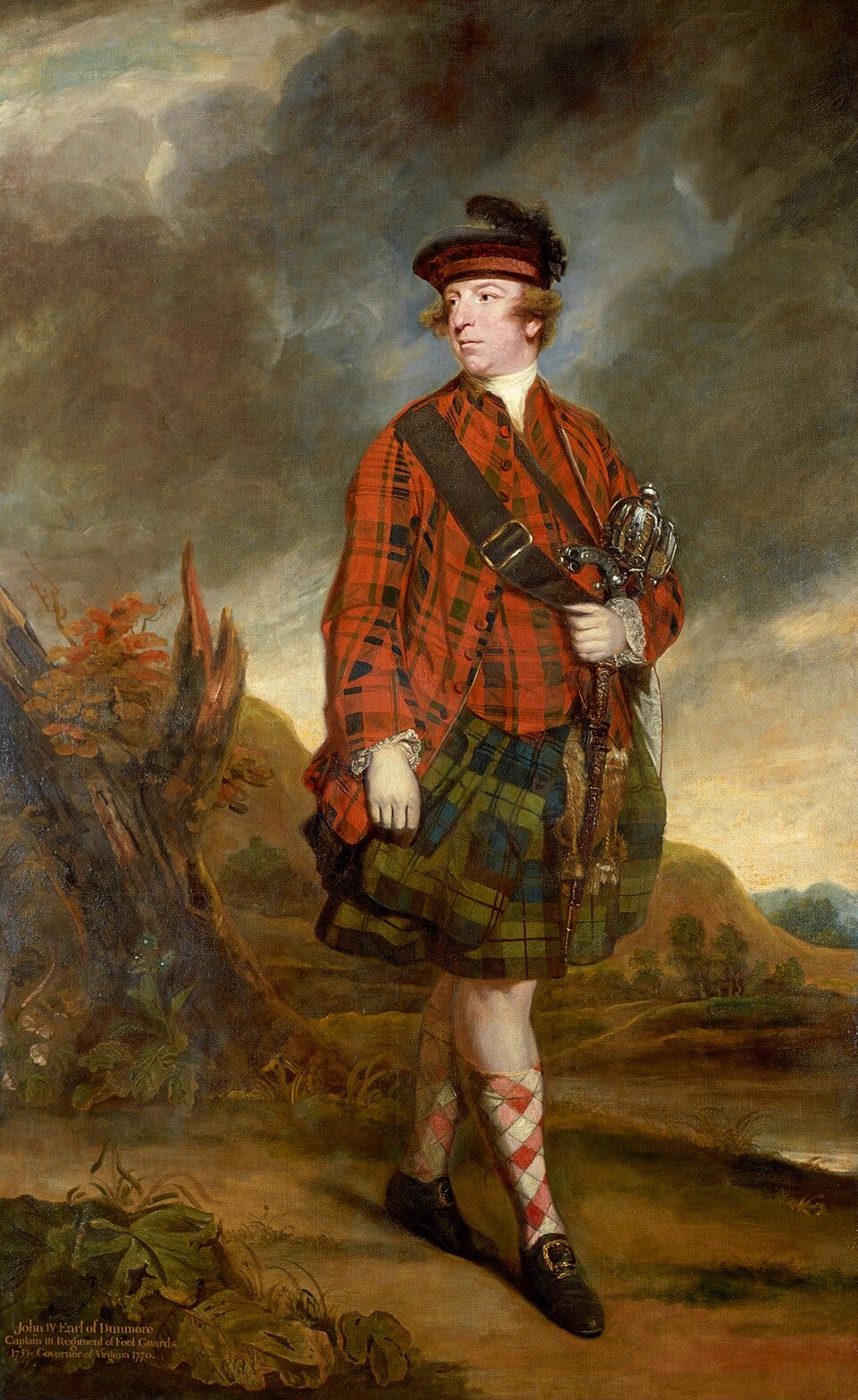
It’s worth noting, for instance, that the first “Emancipation Proclamation” in what would become the United States was not issued by Abraham Lincoln. It was issued by the British during the American Revolution with Lord Dunmore’s Proclamation in 1775, which promised freedom for Black people who fought for Britain. Four years later, the British expanded that effort through the Philipsburg Proclamation of 1779, which promised freedom to any Freedom Seeker who successfully traversed the Underground Railroad and made it to British territory.
Before you continue, check out my latest podcast episode, and this July 8th community event if you live near, or in, Will County, IL. Oh, and if you are up to it, consider upgrading to a paid tier to support independent education.
Here’s an exert of Lord Dunmore’s Proclamation of 1775 issued by John Earl of Dunmore:
…And I do hereby further declare all indentured Servants, Negroes, / or others, (appertaining to Rebels,) free that are able and willing to bear Arms, / they joining His MAJESTY'S Troops as soon as may be, for the more speedily / reducing this Colony to a proper Sense of their Duty, to His MAJESTY'S
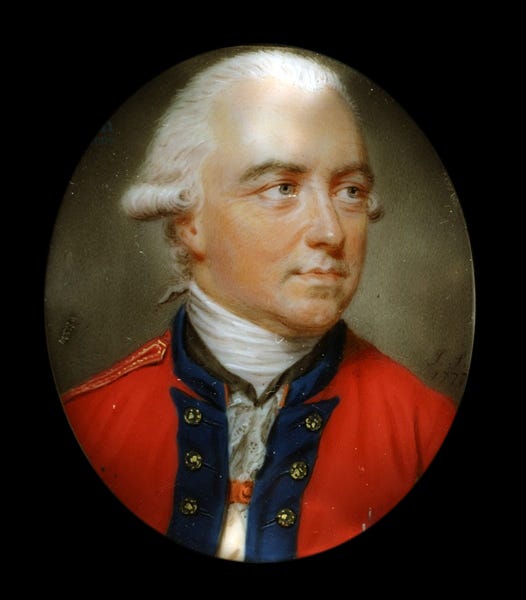
Additionally, the Philipsburg Proclamation of 1779, which was issued by British Army General Sir Henry Clinton, said:
Whereas the enemy have adopted a practice of enrolling NEGROES among their Troops, I do hereby give notice That all NEGROES taken in arms, or upon any military Duty, shall be purchased for the public service at a stated Price; the money to be paid to the Captors.
But I do most strictly forbid any Person to sell or claim Right over any NEGROE, the property of a Rebel, who may take Refuge with any part of this Army: And I do promise to every NEGROE who shall desert the Rebel Standard, full security to follow within these Lines, any Occupation which he shall think proper.
Given under my Hand, at Head Quarters, PHILIPSBURGH the 30th day of June, 1779.H CLINTON
Just as Lincoln’s Emancipation Proclamation could only become lasting freedom through Union victory, Dunmore’s and the Philipsburg Proclamations depended on British military success. Had Britain won the war, the history of slavery in what became the United States may have looked very different.
What does the mean? It means Britain was issuing proclamations offering freedom to enslaved people roughly 80 to 90 years before Lincoln’s Emancipation Proclamation of 1863, while the hypocritical enslaving Founding Fathers, who declared that ALL men were created equal, fought to maintain and profit off of enslavement. Never forget, that 41 of the 56 men who signed the Declaration of Independence enslaved Black people.
Now, I’m not pointing this out because I believe Britain deserves praise. After all, Britain helped build, expand, and profit enormously from the transatlantic slave trade and the institution of slavery itself. Nah, on the contrary, I’m raising this to illuminate the uncomfortable contradiction at the heart of the American founding.
We are often taught that the Patriots fought primarily for liberty and freedom. These men believed their rights as English subjects had been violated through taxation, governance, and other British policies. We should also know, that prior to these proclamations, many enslavers in the colonies were growing increasingly anxious about Britain’s direction on slavery. They felt they would eventually lose access to their “property” if they remained with Britain. The 1772 Somerset Case, while limited to England and Wales, fueled fears throughout the colonies that the British Empire might eventually move toward restricting or even dismantling slavery. So, when Lord Dunmore and later Sir Henry Clinton issued proclamations offering freedom to enslaved people who escaped Patriot enslavers and joined the British cause, those fears became a reality for thousands of enslavers. They couldn’t fathom having to work for themselves, apparently. This is why I chuckle whenever someone has the unmitigated gall to assert that Black Americans don’t work hard or are lazy. Cognitive dissonance at its finest.
For Patriot enslavers, enslaved Black people were legally considered property or chattel. So, when they argued they were fighting to protect their property and liberties, that argument also included protecting a system of human bondage. In other words, the struggle for independence and the struggle to preserve slavery were intertwined for many of the Revolution’s most influential supporters. It is because of these unresolved contradictions that mainstream Independence Day and Fourth of July “celebrations” are insignificant and meaningless to me. I’d rather regard it as a commemoration, as I honor those direct ancestors of mine, who remain nameless to me because of this genocidal criminal institution’s regard for them as chattel, who found the strength to persevere so that I could be here today.
As Chris Rock said in a 2012 Tweet, which was somehow deemed controversial:
“Happy white peoples independence day the slaves weren't free but I'm sure they enjoyed fireworks.”
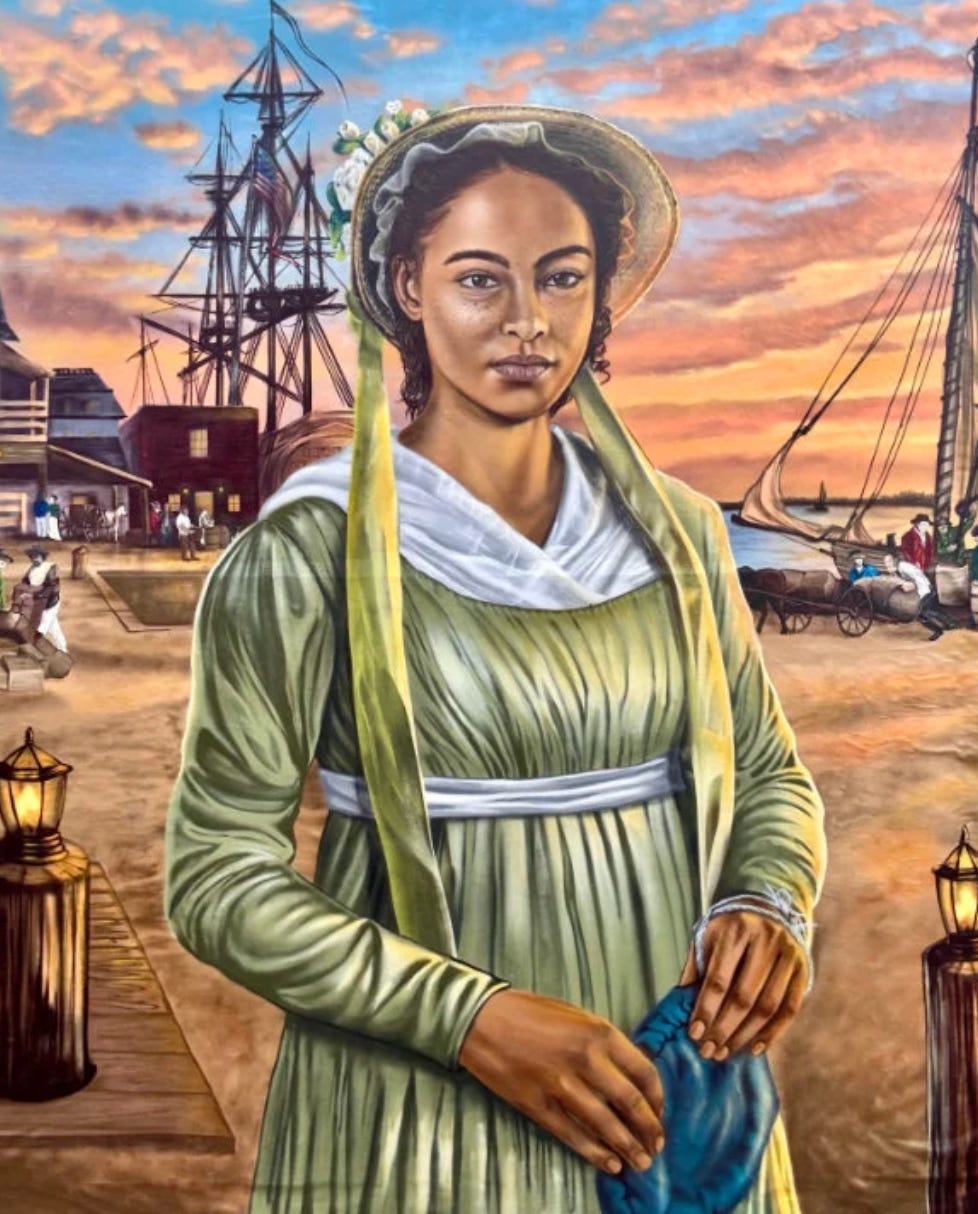
In closing, I would be remiss if I didn’t honor those ancestors of ours, who existed during this turbulent time in American history, and resolved to fight and resist. These are some of the people I regard as my Founding Parents during this time period (because through an Afrocentric worldview, we honor women too):
Harry Washington, who ran away from George Washington, fought for the British and gained freedom,
Ona Judge, who ran away from George Washington and spent the rest of her life evading attempts to be recaptured in New Hampshire.
Richard & Sarah Allen, who founded independent Black churches and helped lay the foundation for the African Methodist Episcopal Church.
Elizabeth Freeman (Mumbet), who successfully sued for her freedom and helped end slavery in Massachusetts through the courts.
Mary Perth, an enslaved woman in British East Florida who secured freedom by seeking refuge with the British during the American Revolution.
Prince Hall, who fought for Black freedom, petitioned against slavery, and founded the first Black Masonic lodge in America.
Lucy Terry Prince, the first known Black person to compose literature in what became the United States and a fearless defender of her family’s rights.
Paul Cuffee, a successful Black and Indigenous shipowner who used his wealth to advance Black education, commerce, and self-determination.
Chloe Spear, an enslaved woman who purchased her freedom and became a respected spiritual leader and abolitionist.
Benjamin Banneker, a self-taught mathematician, astronomer, and surveyor who challenged America’s racial assumptions through his brilliance and advocacy.
Before you leave, check out my latest podcast episode, and this July 8th community event if you live near, or in, Will County, IL. Oh, and if you are up to it, consider upgrading to a paid tier to support independent education.
Hey! I agree that the revolution exposed some deep contradictions between slavery and liberty, but I think some context is missing here. I would not call Dunmore’s Proclamation an emancipation proclamation in the same sense as Lincoln’s. Remember it only offered freedom to enslaved people owned by the Patriot enslavers who escaped and supported the British; it wasn’t a broad emancipation measure like Lincoln’s proclamation. Philipsburg is a better comparison, but it was still a strategy aimed at weakening the rebellion rather than a broader emancipation policy. Also, referring to the Underground Railroad in the Revolutionary era is inaccurate. There was no Underground Railroad in the 18th century. It was developed in the 19th century when enslaved people were escaping from slave states to free states and Canada. At the time of Philipsburg in 1779, slavery was still legal in nearly all states.
That essay should take uppity white people down a peg or two. Happy the day after non-independence day.